Logistical statecraft — a look into the Russian car parc
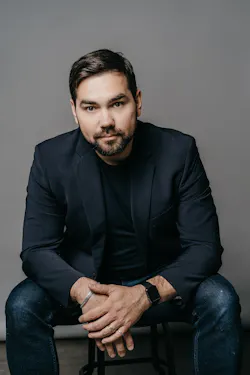
Russia’s war with Ukraine has dragged on for months. A faltering logistics framework and growing sanctions lumped on Russia are squeezing its independent car parc, says Alexander Gruzdev, founder of Gruzdev Analyze. His market intelligence firm believes that the top Russian wholesalers are resilient to disruptions. Ultimately, he believes, they will find creative solutions to work around the package of embargos placed by the European Union and the United States. Sometime by August, Gruzdev predicts, the wholesalers will have sourced enough inventory to supply the marketplace. There are nearly 53 million registered cars and trucks in Russia, whose landmass is 1.8 times the size of the United States. Gruzdev, a Moscow native, who operates in Los Angeles, talks candidly about how the dealer and the independent aftermarket are dealing with the economic restrictions.
What do you see as the most impactful challenge facing the Russian aftermarket?
The sanctions have contributed to a lack of parts. They are facing a shortage that may last for at least several months before they find a way to buy and import parts. And for the moment, they have limited dealings with Europe and none with the United States. The U.S. mainly was an insignificant player with Russia. But the German, French, Italian, and Spanish players are essential to the Russian market.
Tell us what you saw unfolding in Russia during the first few months of the conflict.
The top distributors in Russia announced they will be able to supply both aftermarket parts and OE parts to the dealers as soon as August. They expect that July will experience deficits where most of the existing stocks will begin to sell out. The supply of new parts won’t be available yet. The critical issue is logistics and sanctions. The package of sanctions from the EU and the US includes powertrain parts and spark plugs. That could be considered possible military use and should not be supplied to Russia. No manufacturer will risk their business supplying something like that to Russia.
Logistics will be complicated. I see manufacturers selling parts to distributors in Europe. The distributors will most probably sell to a secondary distributor in Turkey and from there resell to a company in Kazakhstan. The company in Kazakhstan turns around to sell the goods to a Russian distributor. So, the central issue in this scheme is still logistics from Europe to Turkey via Russia, which takes about 1,500 kilometers longer than the previous Europe-to-Russia route. And the containers are in high demand, now costing multiples more.
Describe your clients’ inventory management requirements.
There is a great lack of spare parts right now with mostly no rules. Their requirements are vital at the moment, but we don’t know when and how it will recover. Previously the Central region, Volga Region and northwest region of Russia were covered by local stocks of parts manufacturers, with an overnight delivery typically covering between 80 percent to 85 percent of their needs.
No one really knows how the situation will evolve. Some parts are still available with overnight delivery, but other categories are already running low on stock. They forecast a three-week delivery timeframe, but really, we don’t know how long it could take. For example, one brake disc and pad manufacturer from Europe was ready to sell their products. The manufacturer is not under any sanction and is willing to continue their sales, but the Russian side cannot pay. The banks in Europe refuse to accept the (Russian) currency. Now at this moment, we are looking for different solutions to transfer the payments.
What are your stakeholders’ most significant concerns?
They constantly worry about logistics. Several countries are ready to work with Russia. They also sell parts to China, Korea, UAE, Saudi Arabia, India, and Brazil. But the logistics are complex, as the Black Sea is closed. The Baltic Sea port is suspended, which may leave St. Petersburg, but going that way will take much longer.
What are supply-chain managers doing when they cannot find product?
They continue to search for better options. Now they cannot find an abundance, so they have to switch and change their behavior, seek viable opportunities and find reliable partners.
About the Author
 Alan Segal
Alan R. Segal specializes in project management for suppliers, consultants and retailers. He practiced category management for Sanel Auto Parts Co. and Advance Auto Parts before launching his own firm, Alan R. Segal-Best Business Practitioner. He has worked in the auto care industry since 1991. Connect with Alan on Facebook or LinkedIn.