Insider foresees one more year of supply chain woes
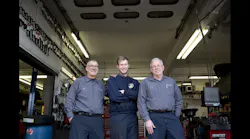
 Thirty-year veteran John Kachapis is a manufacturer’s representative for Marc Allen Associates.
“The most important thing is having it,” says John Kachapis, manufacturer’s representative for Marc Allen Associates. Ensuring that products move off his customers’ shelves through marketing expertise has been supplanted by other practical measures, explains the 30-year veteran. Kachapis tells Aftermarket Business World that the product shortages should ease by 2023. But for 2022, the industry can expect modest improvements, provided the Covid pandemic finally subsides.
What are supply-chain managers doing when they cannot find product?
Compared to the pre-pandemic days, managers would purchase from a single primary source. Now they are buying from multiple sources. Using a vendor for "fill-in" is becoming the new norm, as the primary vendors' fill rates are inadequate. I see customers not only buying from other direct sources but other competitive wholesale distributors too. Wherever they can find the product they need to fill their shelves, they will look afield.
Supply-chain experts do not see the unprecedented crisis ending before 2023. Do you agree with that prognosis?
Agreed, yes! Right now, there are so many broken parts in the supply chain, I can see some elements getting better throughout 2022, but it will take some time until activities normalize. I see 2023 as a more realistic timeline than 2022; however, a resurgence of Covid could continue to push the timeline. And as we all recognize, companies are suffering to find employees.
The surge in transport costs, especially in lower-value items, is impacting various consumer goods industries. What are you seeing?
Right now, transport costs are the wild card. Prices are fluctuating daily, which has caused chaos with the manufacturers' pricing. Many manufacturers that typically announce one annual price increase have had three, four, or more in 2021 alone. We are seeing more vendors pushing Freight on Board costs or increasing their prepaid freight minimums. In addition, the lead time for price increase notifications has been cut down to 30 days— or even an immediate notice for all customers. All these costs will ultimately affect the end consumers' wallets.
What productive role can a manufacturer's representation agency do to mitigate the volatility?
We work closely with our customers to inform them of upcoming changes and make suggestions on how to best mitigate the effects on their business. Some tips include suggested ordering timelines and quantities. We provide constant updates on backorder status, updated pricing, freight options, special order assistance, fill-in order support and the sort. 2021 has proven to be the busiest year yet, as day-to-day contact with customers has increased dramatically due to the strain on the supply chain.
What can be done to ease the bottlenecks?
Our industry needs more qualified truck drivers to haul products from the ports to the customers. There is a ton of product sitting at port or just off the shore. It must be moved inland, and port workers and truckers are the key people. More helping hands will fill the shelves, allow containers to flow and boats to sail.
What are your stakeholders' biggest concerns?
How dramatic price increases will ultimately affect sales and demand is a major concern. There will be a tipping point from a price perspective, which will negatively affect demand. Trying to understand where the tipping point remains the great unknown. Finding qualified employees is one of the top challenges businesses are experiencing. These restrictions limit their ability to operate and service their customers.
What's your outlook on inventory management, and what tactical approaches are you and your manufacturers recommending?
Forecast based upon increased lead times. This means increasing on-hand inventories and, in some cases, bulking up on some products if possible or necessary. Allocation of products up and down the supply chain is very common. Constant communication regarding inventory availability, timeliness, and the like is necessary. It allows customers to plan and limit on-hand shortages. Also, I suggest providing actual unit sales data to your vendors. The data gives them factual information based upon actual demand for production forecasting. Spot buying has caused much confusion in the manufacturing segment. Partnering together by sharing information will undoubtedly help the supply chain in its journey back to normal.
About the Author
 Alan Segal
Alan R. Segal specializes in project management for suppliers, consultants and retailers. He practiced category management for Sanel Auto Parts Co. and Advance Auto Parts before launching his own firm, Alan R. Segal-Best Business Practitioner. He has worked in the auto care industry since 1991. Connect with Alan on Facebook or LinkedIn.