Technology Solutions Newsmaker Q&A: Joseph Register

What do you see as the biggest technology challenge currently facing the aftermarket?
Our industry continues to struggle with providing timely and transparent access to product and inventory information throughout the supply chain. Those aftermarket companies who've grown through acquisition must fully integrate the disparate systems they’ve inherited, or migrate to a single enterprise solution such as an ERP to provide a real-time perspective. Manufacturers whose systems have evolved independently over time often find their manufacturing system data doesn't integrate well with their sales and marketing data. And most regrettably, the bulk of aftermarket trading partner integration remains locked in cyclic batch cycles that can't support real-time access. Until these issues are resolved, they'll continue to compromise ad hoc delivery of robust product information and real-time inventory levels required for optimum inventory performance and to meet the demands of increasingly sophisticated online shoppers.
What do you see as the most promising new technology or solution for the aftermarket?
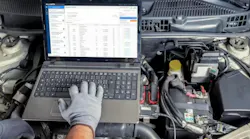
I'd say vehicle telematics represents our most promising opportunity, as well as our greatest threat. Telematics promises to level the playing field, offering aftermarket companies unprecedented remote access to vehicle diagnostic information for the benefit of their customers. AAIA members have already taken steps to provide an open and secure channel for this communication through an extension to the iSHOP standard, and a draft specification is already in pilot to provide the test results needed for certification. But proper vehicle diagnostics via telematics, as well as in-shop diagnosis using a scan tool, is dependent on open and available access to vehicle diagnostic information. The possibility an OEM might restrict access to diagnostic information for their benefit underscores the need to support our industry’s Right to Repair coalition. In order to realize the benefits of an aftermarket telematics strategy, we must ensure automakers provide the same service information and tools to independent auto and maintenance shops, as well as to consumers, that the automaker dealership service centers receive.
You've been involved in the development of iSHOP and the Internet ordering project. What will need to happen in the industry to increase utilization of these standards/technologies?
The AAIA Internet Parts Ordering (IPO) committee has been asking this same question, and actively polled the aftermarket community for answers. We're hearing that many of the companies holding off on adoption believe AAIA standards are very complex, requiring a dedicated IT staff to implement and support. As a result, committee leadership is focused on supporting potential adopters with better implementation guidance and training resources, starting with the Product Information Exchange Standard (PIES) and IPO.
The current version of IPO is a very well-documented implementation of Web Services, and we’ve invested a lot of effort in providing the implementation framework that will simplify and encourage mass adoption. All of these resources can be found on the AAIA Web site at www.aftermarket.org/technology.
About the Author
 Brian Albright
Brian Albright is a freelance journalist based in Columbus, Ohio, who has been writing about manufacturing, technology and automotive issues since 1997. As an editor with Frontline Solutions magazine, he covered the supply chain automation industry for nearly eight years, and he has been a regular contributor to both Automotive Body Repair News and Aftermarket Business World.