Tech Tip: Choose the right hammer face for the panel and position
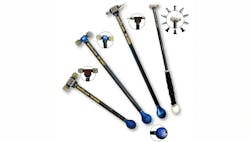
Not all hammering is created equal
One of the most common mistakes in post-PDR finishing is using the wrong blending hammer for the job. After removing a dent—whether through traditional pushing, glue pulling, or PDR techniques—you're often left with slight high spots or need to blend the repair area into the surrounding panel. The hammer face you choose makes the difference between a smooth, undetectable repair and one that requires extensive filler or shows waviness in the paint.
Understanding your 4-piece arsenal
The Dent Fix Blending Hammer 4-pc Set gives you multiple distinct faces and impact pressure, each designed for specific applications. The larger, flatter faces work best for broad, gentle areas like door skins and quarter panels where you need to smooth larger areas without creating new low spots. The smaller, more crowned faces excel at tight curves, body lines, and areas near edges where precision matters most.
Matching tool to task
Start with the largest appropriate face for your repair area. On a door panel repair, begin with your broader face to establish overall levelness, working from the repair center outward. As you approach body lines or tighter contours, switch to progressively smaller faces. This graduated approach prevents over-working any single area and maintains the panel's structural integrity—critical for both OEM standards and long-term durability. Remember: aluminum panels require even more care in hammer selection due to their work-hardening characteristics. Always follow manufacturer guidelines for the specific alloy you're repairing.
About the Author
 Geoff Preston
Geoff Preston
VP of Marketing
Geoff Preston brings 15 years of automotive industry experience to his role as VP of Marketing at Dent Fix Equipment. Through extensive research into collision repair processes and tools, along with close collaboration with professional technicians through Dent Fix's brand ambassador program, Geoff has developed deep insights into the real-world challenges body shops face daily. His social media work connecting with collision repair professionals across the country gives him a unique perspective on emerging repair techniques and the tools technicians need to meet modern OEM standards. Geoff is passionate about bridging the gap between innovative tool development and practical shop-floor application.