Meet a Young Technician: Conor Miller
Key Highlights
- Conor's apprenticeship combines classroom learning with dealership experience, providing him with unique industry insights.
- Economic factors, such as low entry-level wages, discourage students from pursuing automotive careers over higher-paying jobs elsewhere.
- A generational disconnect between shop leadership and younger technicians impacts retention and industry growth.
- Many students leave automotive programs for trades with better pay, benefits, and work environments, highlighting systemic industry challenges.
- Conor advocates for shops to offer competitive pay, flexible support, and a respectful culture to attract and retain young talent.
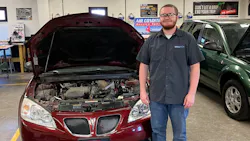
Conor Miller has always been drawn to understanding how things work and how to fix them. That curiosity led him to pursue an Associate's Degree in Automotive Technology at State Fair Community College in Sedalia, Missouri, where he's also gaining hands-on experience as an apprentice tech at a local Ford dealership.
Motor Age is partnering with TechForce Foundation to share profiles and perspectives of student automotive technicians. These students were asked about their experience working while in school.
Conor's path into the industry began with a Ford-sponsored scholarship that helped with tuition and connected him directly with his current dealership. He's been there for over a year now, building experience while balancing his coursework. "I know I'm one of the lucky ones," Conor reflects. "Many students in my program don't have the same kind of support I've received, and that's something I try not to take for granted."
His shop works around his class schedule, even as it changes every semester. That flexibility has allowed him to keep learning in both environments. He's also completed Ford-specific training, which has dramatically expanded his knowledge of modern vehicle systems. The combination of classroom theory and dealership experience gives him perspectives that many of his classmates don't have the opportunity to develop.
But Conor's experience has also opened his eyes to why more of his peers aren't following the same path, and it's not for lack of interest. "The truth is, most shops around Sedalia only offer minimum wage for entry-level positions like lube tech or shop helper," he explains. "When jobs at places like Walmart or McDonald's pay more and offer flexible scheduling, it's hard to justify working in a shop that demands more skill, more physical effort, and more stress - just for less money."
The economic reality creates a barrier that keeps talented students from gaining the shop experience that could launch their careers. Beyond compensation, Conor has identified another challenge facing the industry: a generational disconnect between shop leadership and younger technicians.
"There's a real gap that makes it hard for both sides to relate," he observes. "A lot of shop leaders don't really understand where younger people are coming from or what we value - like work-life balance and having a positive, respectful shop atmosphere where you feel valued. Meanwhile, younger techs don't always relate to the old-school mentality where you're expected to just 'tough it out' no matter what."
The impact of this disconnect is tangible. Conor has watched classmates leave the automotive program entirely to pursue other skilled trades. One dual credit high school student who was on track to graduate early with an associate degree switched to becoming an electrician after just a year in the automotive program. The reason? Better pay, better benefits, and a more supportive career path.
"That's the kind of decision students are making when the entry-level auto industry doesn't offer a strong enough start," Conor says.
His perspective comes from someone who has found support but recognizes it as the exception rather than the rule. "I've been lucky to find a place that invests in me, even if it's not perfect. Many of my peers at school have yet to find that kind of opportunity."
Conor believes the solution requires shops to meet the next generation where they are.
"If more independent shops and dealerships stepped up offering real starting pay, flexible school support, and a respectful, modern culture, I believe we'd see a wave of new, passionate techs ready to grow in this industry. Not someday, but right now."
His vision for the future includes helping build that kind of shop culture himself, one that values learning, respect, and pride in the trade. It's a perspective the industry needs, especially from someone who has experienced both the opportunities and the obstacles facing student technicians today.
Students like Conor who work while learning develop diagnostic thinking, technical skills, and industry connections that accelerate their careers. But his story also highlights the systemic barriers preventing more students from accessing those same opportunities.
The gap between what entry-level automotive positions offer and what other industries provide has real consequences for recruiting the next generation of technicians. Conor's willingness to speak honestly about these challenges while pursuing his own career demonstrates the kind of thoughtful leadership the automotive industry needs. His combination of technical passion, practical experience, and clear-eyed assessment of industry shortcomings positions him to be not just a skilled technician but someone who can help bridge the generational divide he's identified.
The automotive industry faces a well-documented technician shortage. Conor Miller's story suggests that addressing this shortage requires more than scholarships and training programs—it requires shops willing to compete for young talent with compensation, culture, and flexibility that match what students can find elsewhere.
TechForce receives more than 12,000 applications from students with deep financial need each year. In 2025 alone, TechForce awarded more than $6 million in scholarships and grants. While this is an impressive sum of awards, it's still only awarding 1 in every 7 applicants. We need more donations to help more students obtain the technical training required to be workforce ready. #motorage