Financing or leasing? What tool truck owners need to know before their next purchase
Key Highlights
- Leases are ideal for owners who prefer lower payments and frequent truck upgrades to stay under warranty and reduce maintenance costs.
- EFAs allow owners to build equity, pay down principal, and retain valuable assets, supporting long-term financial stability.
- Evaluating current truck equity and credit health is essential before applying for financing or leasing to optimize options.
- Working closely with tax professionals can help owners choose the structure that offers the best tax advantages, whether through expensing lease payments or depreciation.
- Specialized lenders understand the unique needs of tool truck businesses better than traditional banks, often providing more tailored financing solutions.
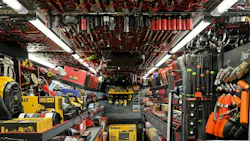
For mobile tool truck owners, upgrading to a new truck is one of the most significant investments they will make. Whether choosing a lease or an equipment finance agreement (EFA), the decision affects monthly cash flow, tax strategy, long-term ownership goals, and future financing opportunities.
According to D.J. Jackson, senior director of business development with Oakmont Capital Services, a lease and EFA/loan each have nuances; the right choice depends on how an owner plans to operate their business, manage expenses, and approach vehicle ownership over time.
“I ask my customers several questions: What’s your methodology? What's your business model? Are you always looking to refresh, or do you have that goal of being able to own it, pay it off, and have that one, two, or three years of no payments?” — D.J. Jackson
Understanding the difference
Although leases and EFAs can both help tool truck owners get into a new vehicle with little or no money down, they serve different business objectives.
With a lease, the lender owns the truck throughout the term. This structure can appeal to owners who prefer slightly lower monthly payments and plan to refresh their truck every few years. Regular upgrades can help keep the vehicle under factory warranty, minimize downtime, and reduce the risk of costly repairs that can interrupt sales activity.
Leasing does come with a tradeoff. Most leases include a residual amount that must be addressed at the end of the term, whether through paying it, refinancing, or another arrangement. And the lender gets to take the depreciation for tax purposes. For owners who want to operate new equipment and avoid the maintenance concerns that can come with aging vehicles, that structure may make sense.
An EFA takes a different approach. The customer is listed as the owner on the title from day one, allowing equity to build with each payment. Although monthly payments are often slightly higher than a lease payment, the owner is paying down principal and investing in an asset that can retain meaningful value over time.
“Having the equity in a truck gets exciting when all of a sudden you're finished paying it off and you still have an asset worth $80,000, $100,000, $120,000. That's a solid business investment.” — D.J. Jackson
For many operators, the decision comes down to business philosophy. Owners who want a newer truck every few years may lean toward leasing. Those who prefer long-term ownership often appreciate the ability to build equity and eventually operate without a truck payment while continuing to benefit from the value of the asset.
Preparing before applying
Before pursuing financing or leasing, Jackson recommends evaluating the financial position of the current truck an owner is operating. Understanding whether the truck is paid off, financed, or leased provides a clearer picture of available options and can help owners plan their next purchase more strategically.
If the truck is worth more than its remaining balance, that equity may be used through a sale or trade, helping simplify the transition into a replacement vehicle. Even when a truck is leased, owners can typically request a payoff amount and determine whether there is equity available.
Owners should also pay close attention to their credit profile before applying. Reducing credit card utilization can often improve credit scores relatively quickly, making it one of the most effective steps applicants can take before pursuing financing. Lenders and credit bureaus are focused on current credit performance, so demonstrating responsible borrowing habits can strengthen an application. Businesses should keep their credit utilization under 30 percent to maintain a strong credit score.
The role of tax planning
Tax considerations can also influence whether a lease or an EFA makes the most sense.
Jackson encourages business owners to work closely with their tax professionals to understand the advantages of each structure. Depending on a company's financial situation, owners may benefit from expensing lease payments or taking the depreciation and deducting the interest with an EFA.
Because every business is different, professional guidance is critical when evaluating the potential tax impact of a new truck purchase. The goal is to choose a structure that supports the owner's cash flow, operating strategy, and broader financial plan.
Finding the right financing partner
Tool truck financing is a specialized segment of the market, and Jackson recommends relying on trusted industry resources throughout the process.
Recruiters, district managers, regional managers, corporate representatives, and approved upfitters often have firsthand experience working with lenders that understand the unique characteristics of the tool truck industry. Their recommendations and experience can help owners identify financing partners that are familiar with vehicle values, business models, and industry-specific needs.
“This is a very defined segment in the market. Owners can benefit from talking with people who understand this market. I am privileged to have worked with many tool truck clients over the years and am proud of helping them get their mobile showrooms on the road.” — D.J. Jackson
Industry peers can also provide valuable insight. Online communities and brand-specific groups frequently share experiences that can help prospective buyers make more informed decisions before committing to a lender or financing structure.
Why specialized lenders matter
At Oakmont Capital Services, our professionals have financed hundreds of tool trucks over the years. We understand the vehicles and the unique business models of tool truck owners. Traditional banks do not always understand the economics or nuances behind a mobile tool truck deal. While they may be familiar with the value of a cab and chassis, they often struggle to evaluate the additional value created by the specialized upfit that transforms the vehicle into a mobile showroom.
Banks may also be less comfortable with the risk profile of one-owner, one-operator businesses. If the truck is out of service or the owner is unable to work, revenue can be disrupted quickly. Specialized lenders tend to understand those realities and are often better positioned to evaluate applicants within the context of the industry when underwriting a loan.
Jackson also notes the importance of building business credit. Working with lenders that report commercial borrowing activity may help owners strengthen their business credit profile, potentially creating additional opportunities for future purchases.
Additional considerations: Engines and trade-ins
When selecting a truck, the gasoline-versus-diesel decision often comes down to operating preferences, geography, maintenance considerations, and budget. Diesel models generally carry a higher purchase price but may appeal to owners seeking additional torque and long-term durability. Gasoline engines may offer lower upfront costs and simpler maintenance.
Trade-ins remain another important consideration. Because tool trucks tend to hold their value well, many owners choose to sell their trucks directly rather than trade them in. A strong resale market can create additional flexibility and help owners capture more value from their existing equipment.
“There is a very vibrant market out there for used trucks. Most folks will be shopping for a new truck and possibly already have a buyer lined up for their existing truck.” — D.J. Jackson
Understanding negative equity before you upgrade
While many tool truck owners benefit from strong resale values, not every situation results in positive equity. Negative equity occurs when the amount owed on a truck exceeds its market value.
For example, if a truck is worth $100,000 but the owner owes $130,000, the additional $30,000 represents negative equity. Rolling that balance into a new financing arrangement will increase the amount financed on the replacement truck and put the owner in a more difficult financial position over time.
According to Jackson, lenders generally do not want to finance more than the asset is worth, and owners should be cautious about doing so as well. Even when the pressure to upgrade is real, adding negative equity to a new truck purchase can make the next financing decision harder rather than easier.
Instead, owners should explore alternative ways to address the shortfall. Depending on their situation, that might include working capital, a line of credit, or another short-term financing option designed for business needs.
Fortunately, the strong used-truck market within this industry can help many owners avoid this situation. Well-maintained trucks continue to command attention from buyers, especially because they represent both the brand and the operator behind the wheel.
“Taking on negative equity is not a smart business decision. There are ways to address it, but you don't want to roll negative equity into a new equipment finance agreement.” — D.J. Jackson